

At Yamaha Brazil, quality is integral to purpose.
The Quality Assurance team plays a critical role in ensuring that every motorcycle leaving the assembly line meets Yamaha’s standards for performance, reliability, and customer satisfaction. Their responsibilities span endurance and functional testing, incoming inspection, laboratory analysis, audits, and warranty failure analysis. In a high-volume, high -complexity manufacturing environment, the team’s ability to identify and resolve problems quickly is essential.
Yet even with deep expertise and strong collaboration, one challenge persisted: finding the true root cause of failures fast enough to act with confidence
When Problems Take Too Long to Solve
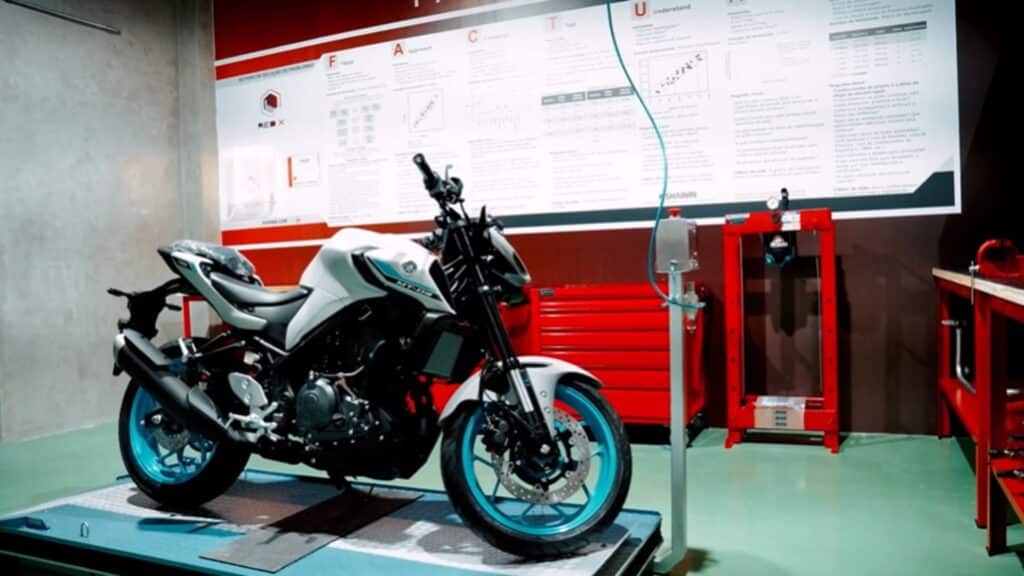
Failures identified during final inspection required corrective action, but determining the underlying cause was slow and uncertain. Cross-functional teams were assembled, analyses were launched, and data was gathered. Still, investigations often stalled.
Discussions tended to focus on explaining why a failure was not the responsibility of a particular area rather than converging on evidence. As a result, root cause identification took an average of 120 days – and failures frequently reappeared.
The impact was felt across the business. Motorcycles were held for repair, product availability was affected, and valuable time and resources were consumed without lasting resolution.
For a quality-driven organization, this way of working was not sustainable.
A Disciplined Guide for Complex Problems
The decision to work with Shainin was informed by prior experience with the Red X methodology. What stood out was not another set of tools, but a disciplined way of thinking.
Red X applies a convergent approach that eliminates speculation and focuses effort where it matters most. Rather than testing multiple hypotheses in parallel, teams systematically isolate the dominant cause and validate it through direct testing. The approach minimizes wasted time, reduces the need for large meetings, and enables small teams to move forward with confidence.
As Marco Beleti, Quality Assurance Manager at Yamaha Brazil, explains:
“The convergent analysis approach ensures no time or resources are wasted on hypotheses. The analysis can be conducted by as few as two employees without the need for meetings.”
In simple terms, it is fast and effective.
Yamaha Brazil began by engaging in the Red X Apprentice training and immediately applying the methodology to chronic and complex problems on the motorcycle assembly line.
From Measurement to Meaningful Contrast
One of the most significant shifts was how investigations began.
Previously, teams often started by measuring parts. With Red X, the first action became segregation —separating products that behaved differently. By comparing Best of the Best (BOB) and Worst of the Worst (WOW) units, investigators were able to focus on meaningful contrasts and follow a clear investigative strategy.
As Beleti notes, this change fundamentally altered how teams approached failure analysis:
“Previously, the first action was to measure parts. Now, the first action is to segregate BOB and WOW products.”
Problems whose root causes had remained unknown for years were now being identified and solved in days.
The ASH Room: Structure, Speed, and Focus
To support this new approach, Yamaha Brazil invested in both training and infrastructure. The result was the creation of the Analysis & Solution Hub (ASH).
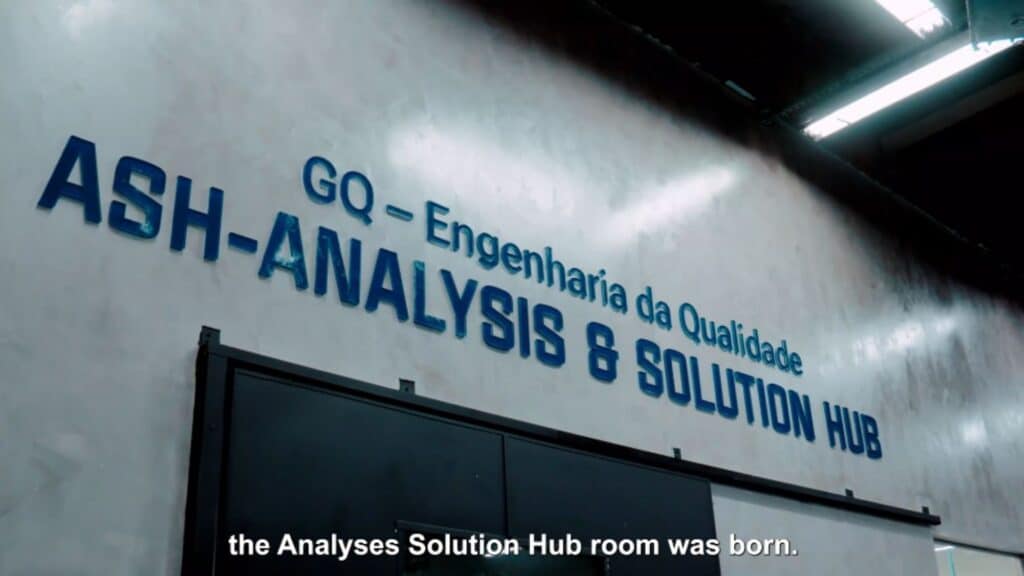
The ASH Room was designed to connect knowledge, method, and agility in a single space. Equipped with modern tools and the capability to fully disassemble and reassemble a motorcycle, it enables fast, focused analysis of complex failures. The room also provides an environment for sharing information, guiding involved personnel, and training other employees in structured problem solving.
The ASH Room represents a milestone in the evolution of Yamaha Quality – bringing people and method together to accelerate decision making and deliver effective solutions.
Results that Changed Confidence
The impact of Red X was immediate and measurable.
Across 2024 and 2025, Yamaha Brazil completed 22 Red X projects. The average time to identify root causes dropped from 120 days to 30 days, and failure recurrence was eliminated. In several cases, root causes were identified in less than one week after the first analyses conducted with Shainin’s support.
As chronic problems were resolved, leadership confidence grew. The methodology began to spread organically, with leaders encouraging its use beyond the initial projects.
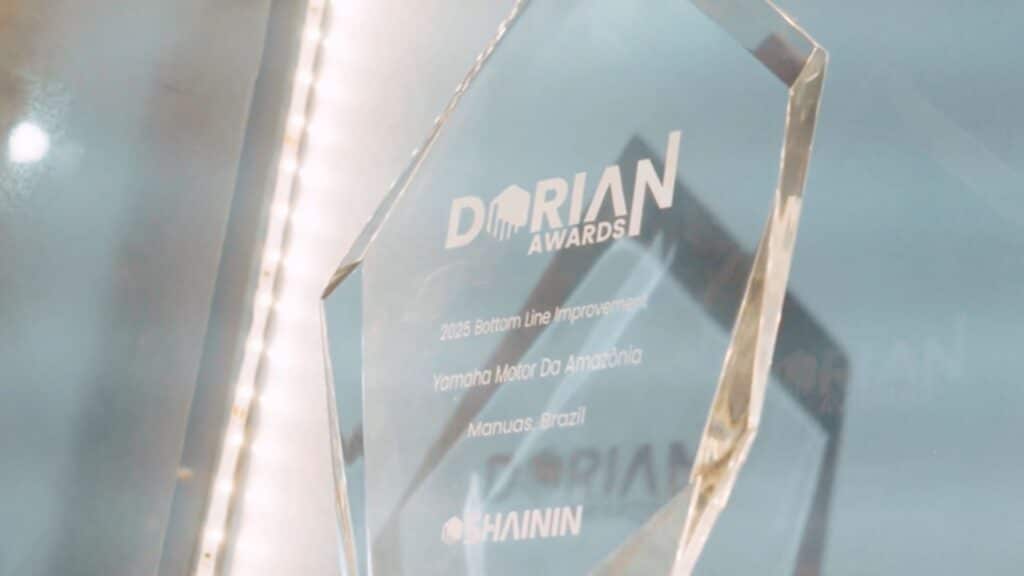
This progress was recognized externally when Yamaha Brazil received the Dorian Award for Bottom Line Improvement in 2024, honoring the results achieved by employees trained in Red X. Yamaha Motor da Amazônia became the only two-wheeler manufacturer globally to receive this award—recognition not only of the outcomes, but of the discipline behind them.
A New Way of Solving Problems
Today the Quality Assurance team approaches failures differently.
Investigations are structured according to the type of failure being addressed, and teams progress methodically until the root cause is defined and validated. Resources are used more efficiently, corrective actions are implemented with confidence, and problems are solved once—rather than revisited.
The shift is as much about mindset as it is about method.
Advice from the Team
For manufacturing leaders facing similar challenges, the message is clear:

“The greatest barrier to innovation is breaking paradigms. Start small and reap positive results. Do not give up – over time, the results will be the best promoters of change.” Mr. Beleti continues, “Organizations seek continuous efficiency improvement, and the Red X methodology is a powerful tool for identifying the root causes of failures that generate losses, scrap, and rework, reducing costs and contributing to improved financial performance.”
If recurring failures are slowing your organization down, explore how Red X training can help your team identify root causes faster and solve problems with lasting certainty.